Why do cracks keep appearing in drywall or plaster?
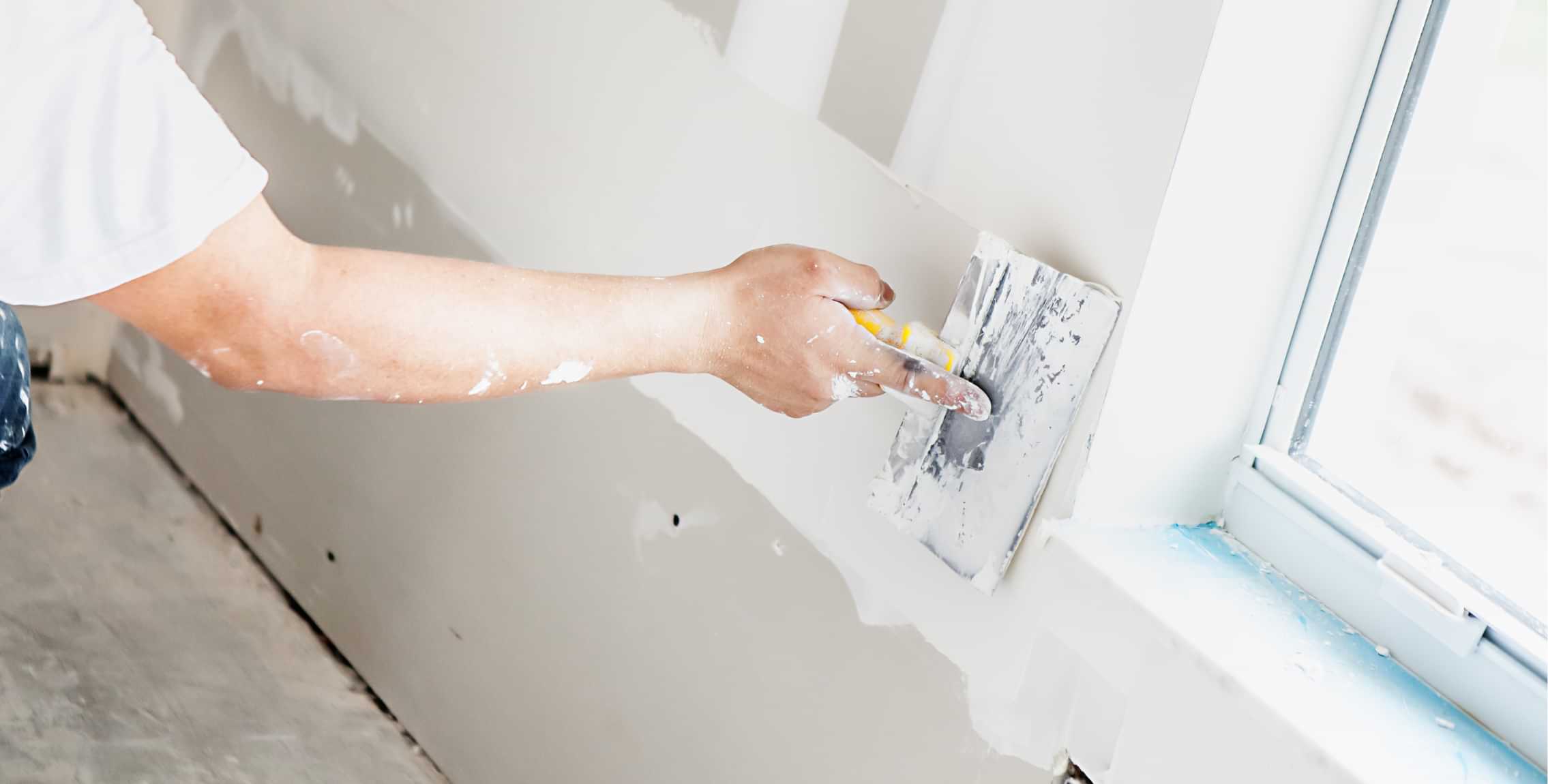
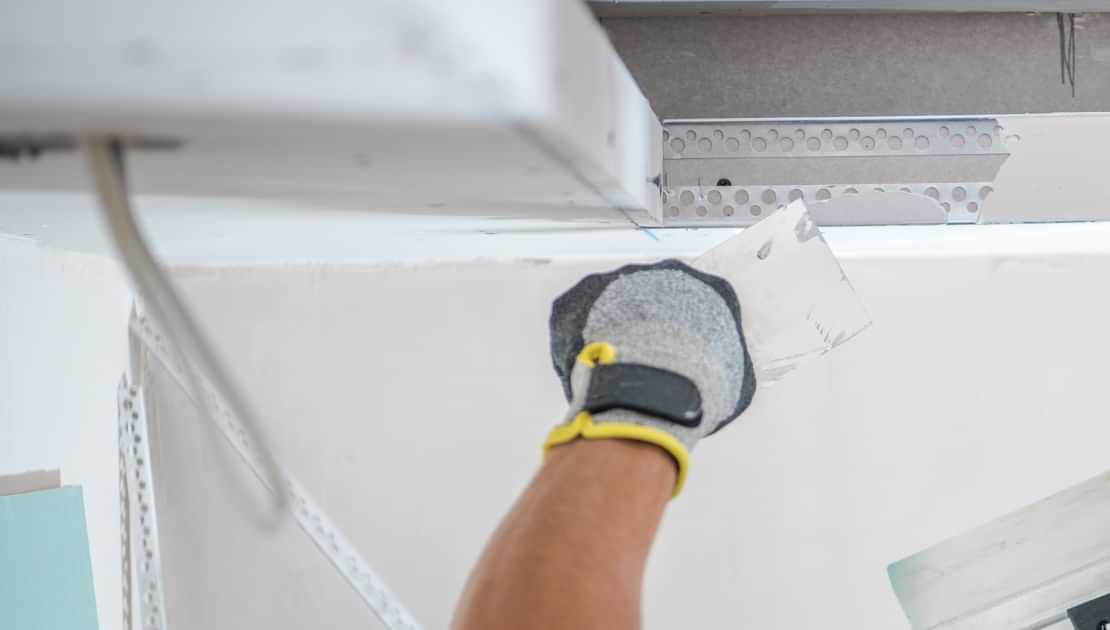
Cracks can appear because of building movement, humidity, previous repairs, impact damage, settling, moisture, or joints that were not taped and finished properly. Drywall crack repair usually involves more than simply covering the line with filler. The area may need to be opened slightly, reinforced, patched, taped, mudded and finished so the repair holds up better and blends into the surrounding surface.
What is the best way to repair a hole in drywall?
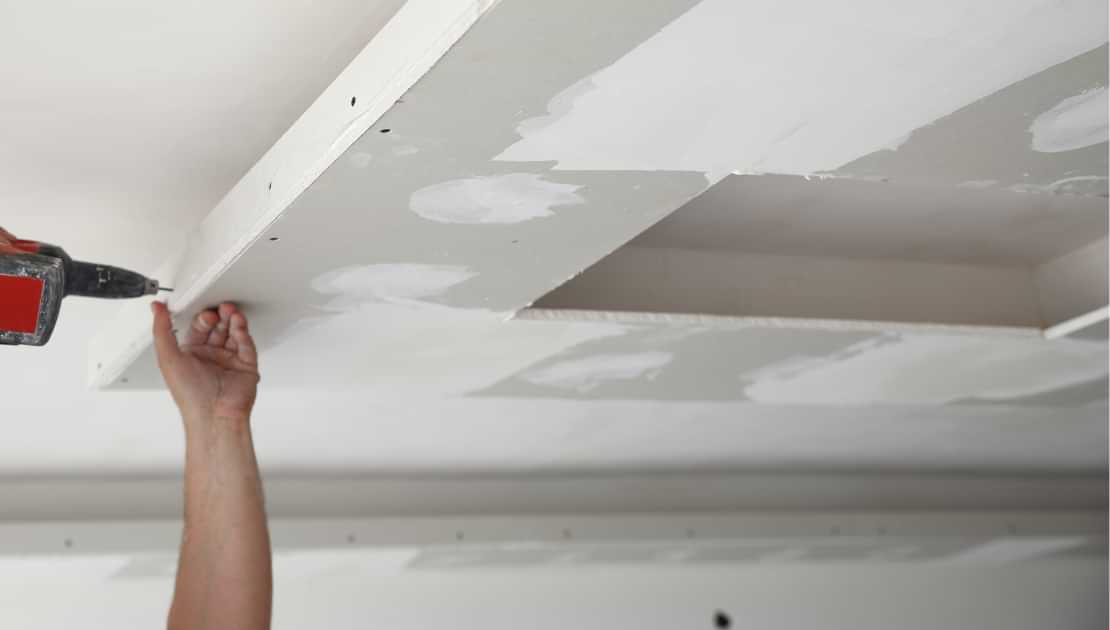
The best repair depends on the size and depth of the hole. Small nail holes and anchor holes can often be filled and smoothed, while larger holes may need a drywall patch, backing support, taping, mudding and sanding. A proper hole in wall repair should leave the surface stable, smooth and ready for paint rather than looking like a quick patch.
Why does a bad drywall patch show through paint?
A drywall patch can show through paint if it was not sanded smoothly, feathered out far enough, primed properly, or matched to the surrounding texture. Raised edges, uneven mudding, visible tape lines and different surface porosity can all make the repair stand out. Drywall finishing is important because the final paint job is only as good as the surface underneath.
What should be done about water damaged drywall?
Water damaged drywall should be checked carefully because staining, soft areas, bubbling paint, mould marks or sagging can mean the board has weakened. Once the source of moisture is no longer an issue, the damaged drywall can often be cut out, patched, taped, mudded and finished. Water damaged drywall repair is best handled early before the affected area spreads or becomes harder to restore neatly.
When is skim coating worth doing?
Skim coating is useful when walls or ceilings have widespread imperfections, old texture, uneven patches, shallow damage or previous repairs that are visible across the surface. Instead of fixing one small spot, skim coating creates a smoother finish over a larger area. It can be a good option before repainting if you want the room to look cleaner and more refined.